
Delivery planning
Plan the last mile before the first outing.
Delivery depends on the final boat, destination and agreed scope. A model listing does not confirm stock, a shipping date or a delivered price.
Share the destination early
Provide your country, region and intended delivery location. Note access limitations, lifting arrangements, trailer requirements and whether delivery is to a port, yard or another agreed place.
Describe the final receiving point as precisely as you can: a port, marina, storage yard or other agreed address. Tell the seller who will receive the boat and whether a separate local transport provider will be involved. An international shipment and the last local movement may be separate parts of the quotation.
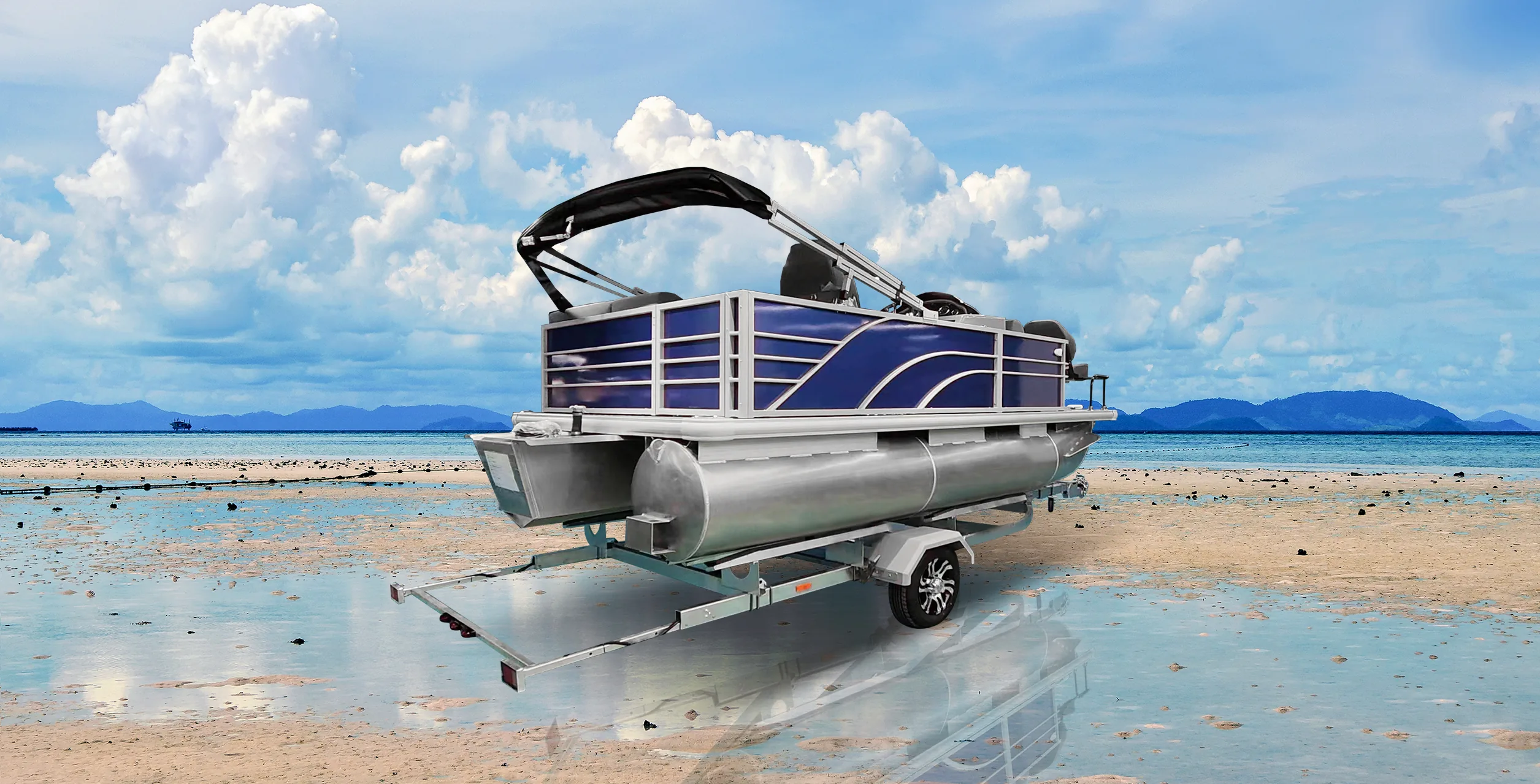
If access is restricted, provide the relevant dimensions or site information for review. Avoid treating a model’s reference length as confirmation that the loaded package will pass an entrance or fit a storage space. The transport provider needs the dimensions and weight of the actual configuration.
Make the quotation scope explicit
Ask which steps are included and which are your responsibility.
For each stage, name the party that arranges the work and the party that pays for it. A useful delivery plan also identifies the point where one provider hands responsibility to another. Ask what happens if receiving arrangements change or the destination cannot accept the boat at the planned time.
A delivery estimate should be tied to the agreed order and scope. Before organizing local services, confirm the current arrangements with the responsible seller or transport provider. Website photographs and model availability inquiries do not establish a shipping schedule.
- Packaging and loading
- Main transport and insurance scope
- Destination handling, clearance and applicable charges
- Unloading, local movement and storage
- Engine rigging, inspection and handover
Check the actual configuration
Confirm transport dimensions and weight for the complete package. A source-listed hull weight or model length is not enough to select a towing vehicle, trailer or lifting arrangement.
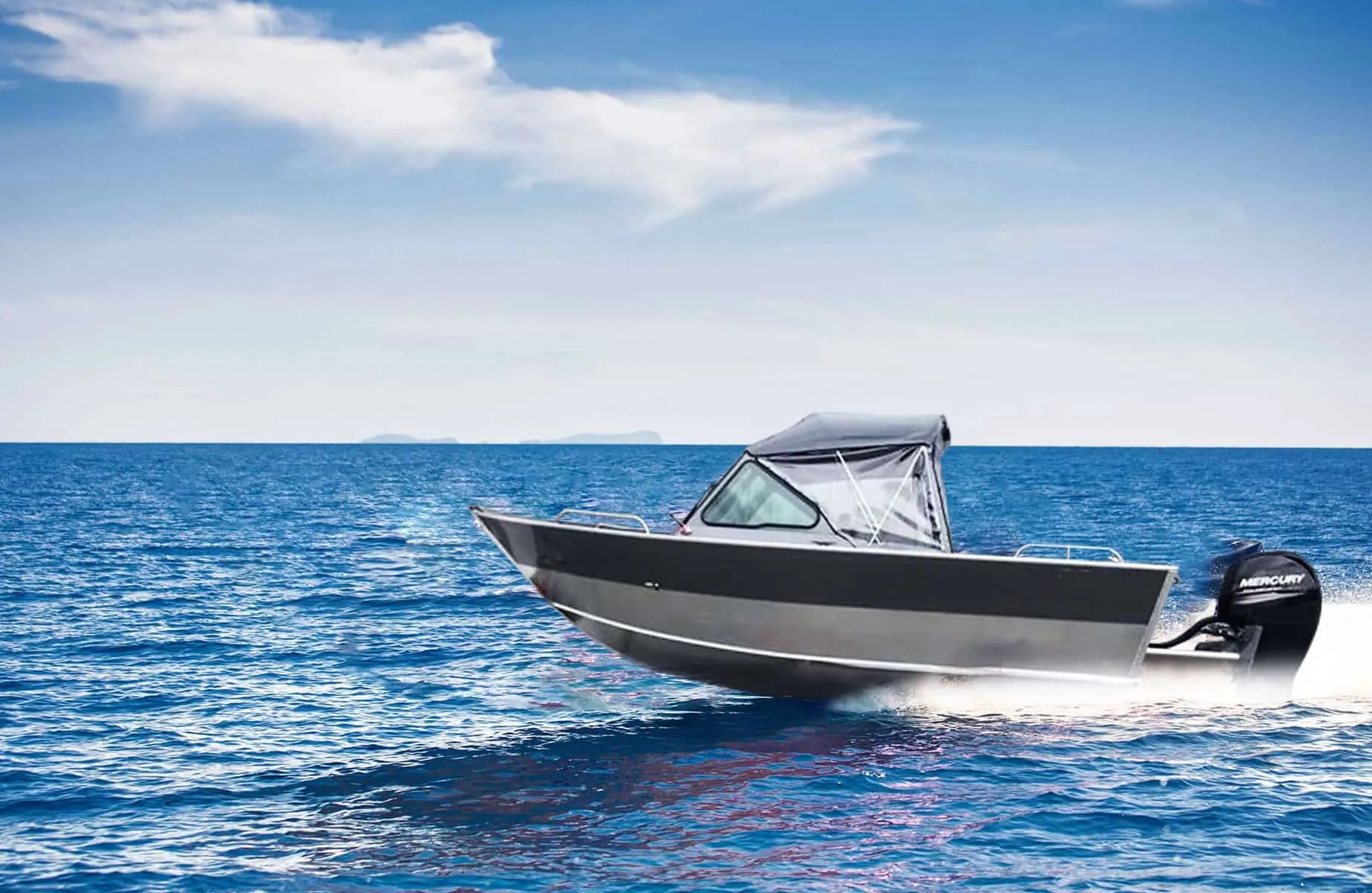
Confirm whether the stated dimensions include a raised or folded top, windscreen, engine and any trailer. Ask how removable equipment is packed and identified. The same model can require different handling when its final equipment or packaging changes, so keep the transport specification with the approved configuration.
Before acceptance
Agree the inspection and handover process in writing. Compare the delivered boat and documents with your order, record any discrepancy and contact the responsible seller before accepting unresolved changes.
Prepare a checklist from the accepted order: boat identification, selected equipment, visible condition, manuals and any agreed commissioning steps. Record discrepancies with clear descriptions and photographs, then follow the process agreed with the seller. Ask for the resolution and responsibility to be recorded before closing an unresolved item.
Keep the handover record and final provider contacts with the boat’s documents. These are the starting point for later support questions, including issues involving the engine, electronics, trailer or transport rather than the hull itself.
SEAVIA editorial · Updated