
Aluminum fishing boat guide
How to choose an aluminum fishing boat.
Start with how you fish: where you stand, how you reach tackle and bait, and how much shelter you want at the helm. Choose the layout around those movements, then verify the actual hull, engine, capacity and equipment package for your destination.
Center console or a soft-top layout?
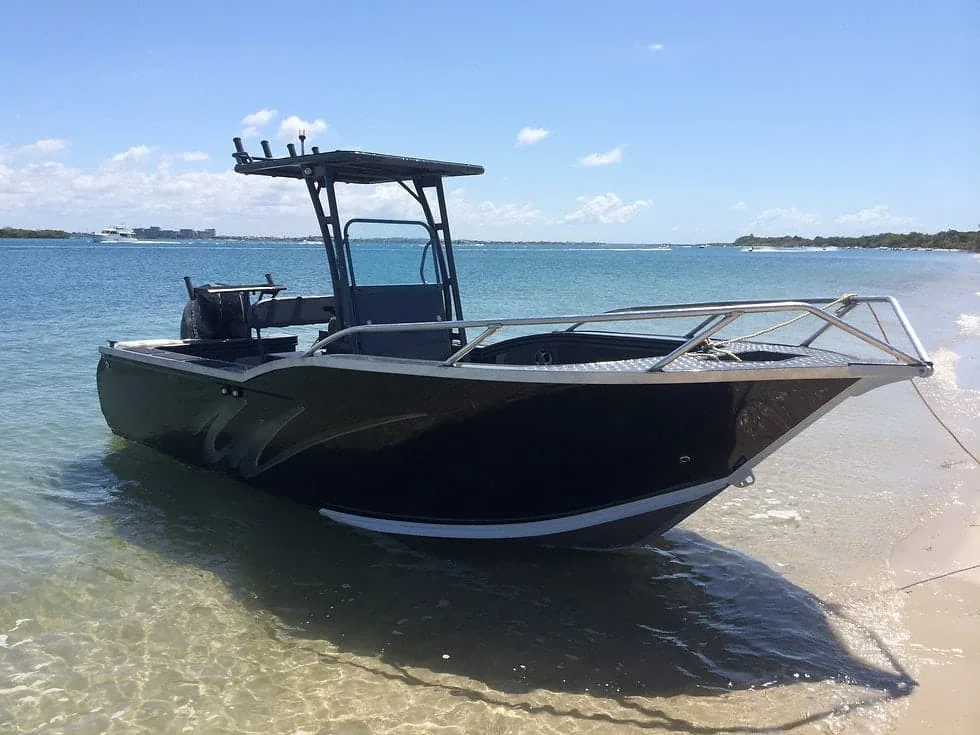
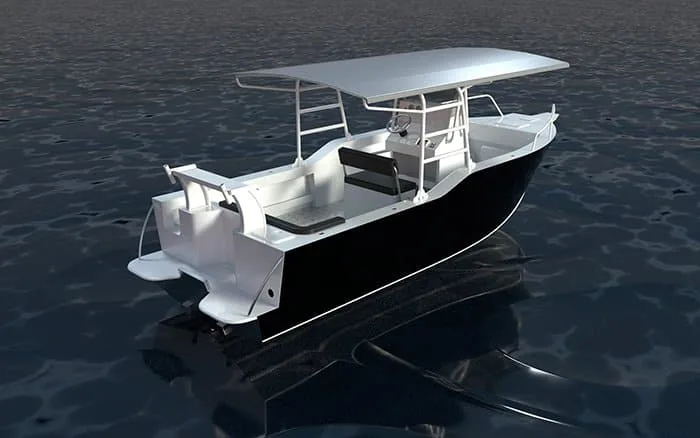
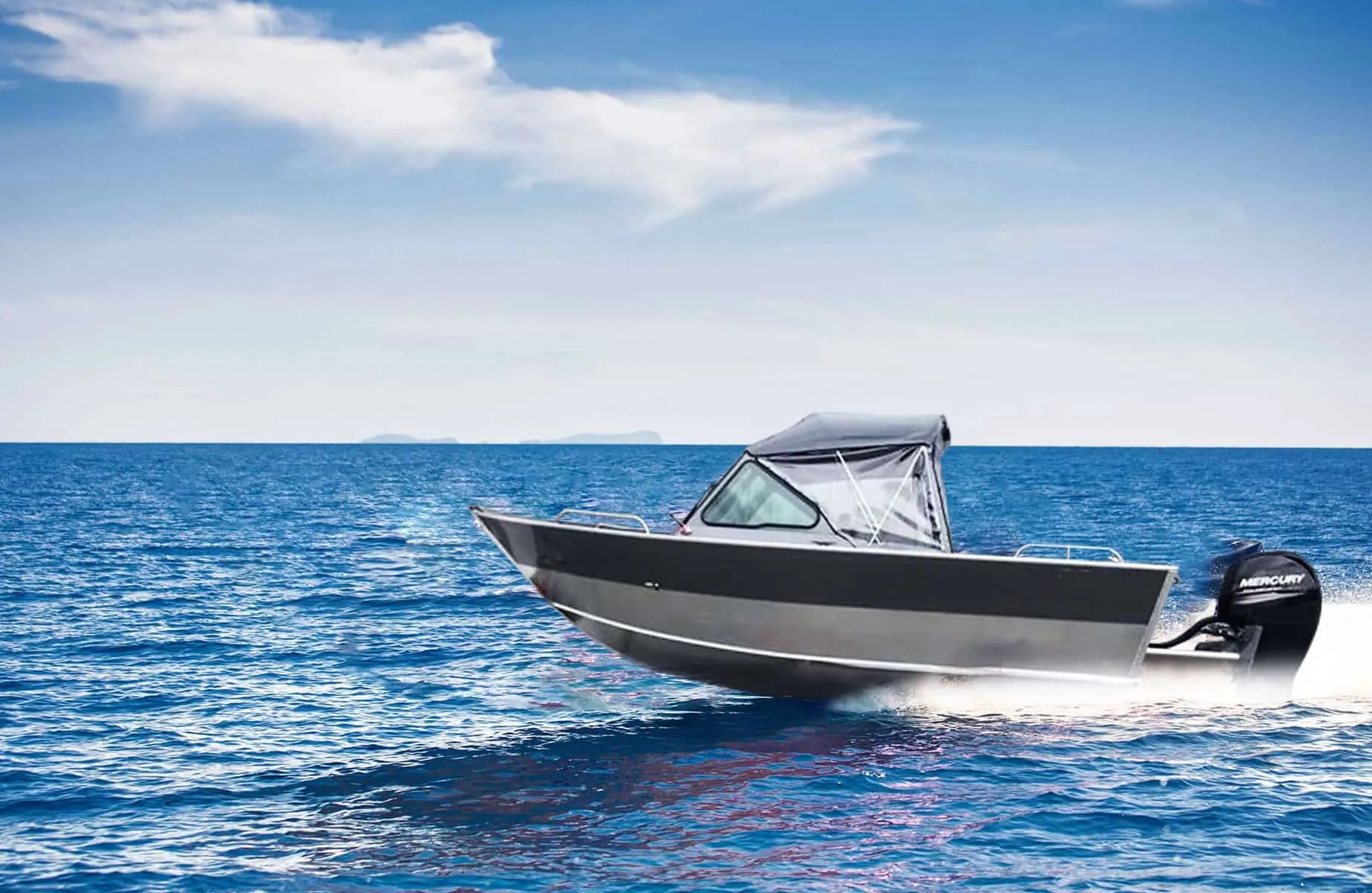
The current SEAVIA fishing range offers center-console and soft-top, dual-console directions. The differences below help you decide which boat to inspect more closely; they do not replace final dimensions or a configuration drawing.
Put the two layout directions beside the fishing positions you expect to use. Review how people pass the helm and where equipment goes when you move between the bow and cockpit. The aim is to find a workable arrangement for your routine, rather than to assume that a larger reference length automatically produces better access.
| Model | Published layout | What to examine |
|---|---|---|
| Current 18 | Center console; reference model length 5.5 m | Movement around the helm, foredeck access and tackle storage |
| Current 21 | Center console; reference model length 6.3 m | Bow and stern fishing areas and the space needed for your equipment |
| Shelter 21 | Soft top / dual console; overall length 21 ft, hull length 18.5 ft | Helm shelter, passage between consoles and the working cockpit |
- Current 18 layout and reference specifications
- Current 21 layout and reference specifications
- Shelter 21 layout and reference specifications
Walk through your fishing routine
Imagine boarding with the tackle, cooler and clothing you normally bring. Trace the path to rod storage, bait preparation, each fishing position and the helm. Check whether seating or open hatches interrupt that route. For example, a second seat may be useful underway but needs a defined place during casting; discuss the actual arrangement rather than simply adding seating to an option list.
Include the return trip in the walkthrough. Where will used tackle, wet clothing and other equipment go? Can the helm remain clear while gear is put away? Note the storage locations you need to reach while another person is moving around the boat. Ask for measurements or a layout review when a photograph cannot answer the question.
- Where will rods travel and where will they be stored while fishing?
- Can you reach bait and equipment without obstructing the helm?
- Which storage areas need to stay accessible during the outing?
- Where will wet equipment go, and how will the deck be cleaned?
Separate included fittings from equipment requests
A model description shows the direction of the layout; a written specification needs to identify what is supplied. Record seats, bait equipment, electronics, batteries, lights and any trailer separately. The configurator prepares your interests in a WhatsApp draft for discussion. It does not verify that every selection can be installed together or calculate a final price.
Keep one list of the standard items identified in the offer and another of requested changes. For each change, ask about the location, installation and effect on adjacent space. Electronics and batteries need a defined package, and added seating or storage should be reviewed against the intended movement through the boat.
Review the hull and propulsion as one package
The word aluminum describes a material, not an operating rating. Ask for the construction specification and the capacity, loading and operating documents for the chosen boat. Engine power references on model pages require confirmation with the final hull and rigging. Do not infer a maximum passenger count from available seats, or an offshore capability from a boat photo.
Plan transport before ordering
Give the seller your storage and access restrictions. Ask for complete configured weight and dimensions, including the engine and any trailer, before discussing transport arrangements. Keep overall length and hull length in separate fields: Shelter 21 lists both, and they answer different questions. A reference hull figure alone does not establish the weight of a towable package.
Prepare for handover and your first trip
Agree who supplies the manuals, explains the fitted controls and handles support after delivery. Arrange instruction appropriate to your boat and location. The U.S. Coast Guard maintains a directory of recreational boating courses covering areas such as boat handling, weather and navigation; use your local boating authority for requirements at your destination.
Your final shortlist should leave you with a specific question for each remaining model. For example, compare the working space of Current 21 with the helm shelter direction of Shelter 21, using the same crew, equipment and destination. Request the relevant drawings and a complete quotation so the decision is based on the package you could actually order.
SEAVIA editorial · Updated