
Pontoon buying guide
How to choose a pontoon boat.
Choose a pontoon by the space your crew uses, the water you plan to visit and the complete package you need ashore. Start with a layout that fits an ordinary day, then check dimensions and destination requirements before choosing equipment.
Start with the day you actually plan to have
Write down your usual crew and activities before looking at model numbers. A couple taking a short afternoon cruise may prioritize easy boarding and a smaller dock footprint. A family spending the day aboard may place more value on seating positions, shade and storage. These are layout questions; a longer deck or a larger reference passenger figure does not answer them on its own.
A practical way to compare layouts is to describe one ordinary outing from boarding to returning ashore. Where do bags go? Which seats will people use? Can someone reach the helm or boarding gate while the others remain seated? Use the drawing to answer those questions before treating another seat or a longer deck as an improvement.
- Trace the route from the boarding gate to every seat and the helm.
- Locate bags, a cooler and personal equipment without blocking walkways.
- Check which seats are under shade and how people move when the canopy is raised.
- Discuss any access needs and any fishing or commercial use in the inquiry.
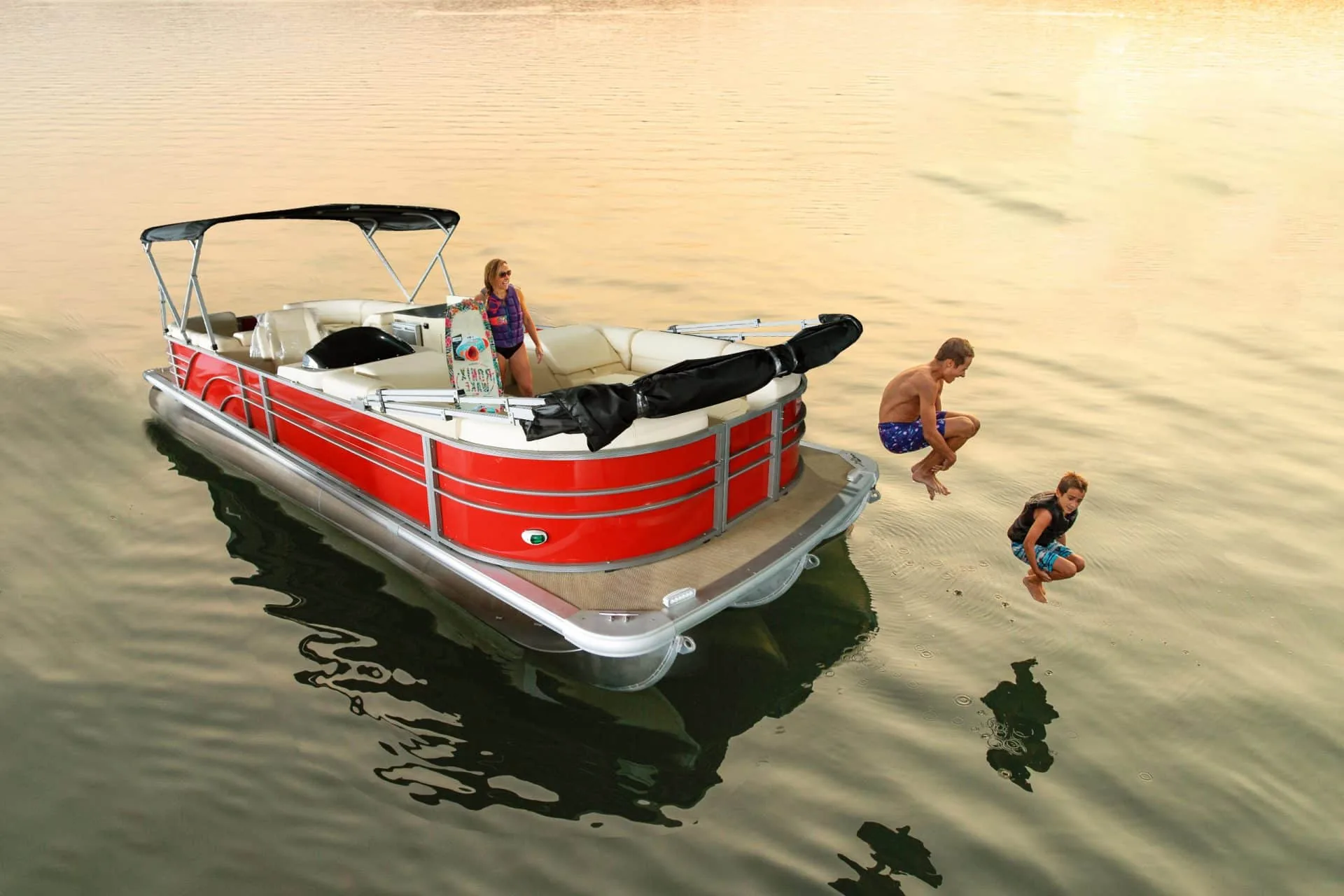
Shortlist the Cove range by space and dimensions
Cove models share an open lounge direction. Use the differences below to choose which pages and drawings to examine next. Dimensions remain reference figures; the configuration in your written quotation defines the boat being supplied.
For a buyer with a fixed storage space, an unavailable measurement is a question to resolve, not a reason to round a reference number down. Keep model length, beam and complete transport dimensions in separate fields. When comparing a beam alternative, request the drawing that belongs to that width rather than assuming every arrangement stays the same.
| Model | Reference dimensions | A useful comparison question |
|---|---|---|
| Cove 16 | Model length 5 m; beam 2.3 m | Does the compact footprint accommodate your usual crew, stored gear and dock? |
| Cove 22 | Model length 6.8 m; beam options 2.3 / 2.6 m | Which beam configuration fits both the lounge arrangement and your storage space? |
| Cove 24 | Model length 7.2 m; beam options 2.3 / 2.6 m | Will you use the additional length, and can your destination accommodate it? |
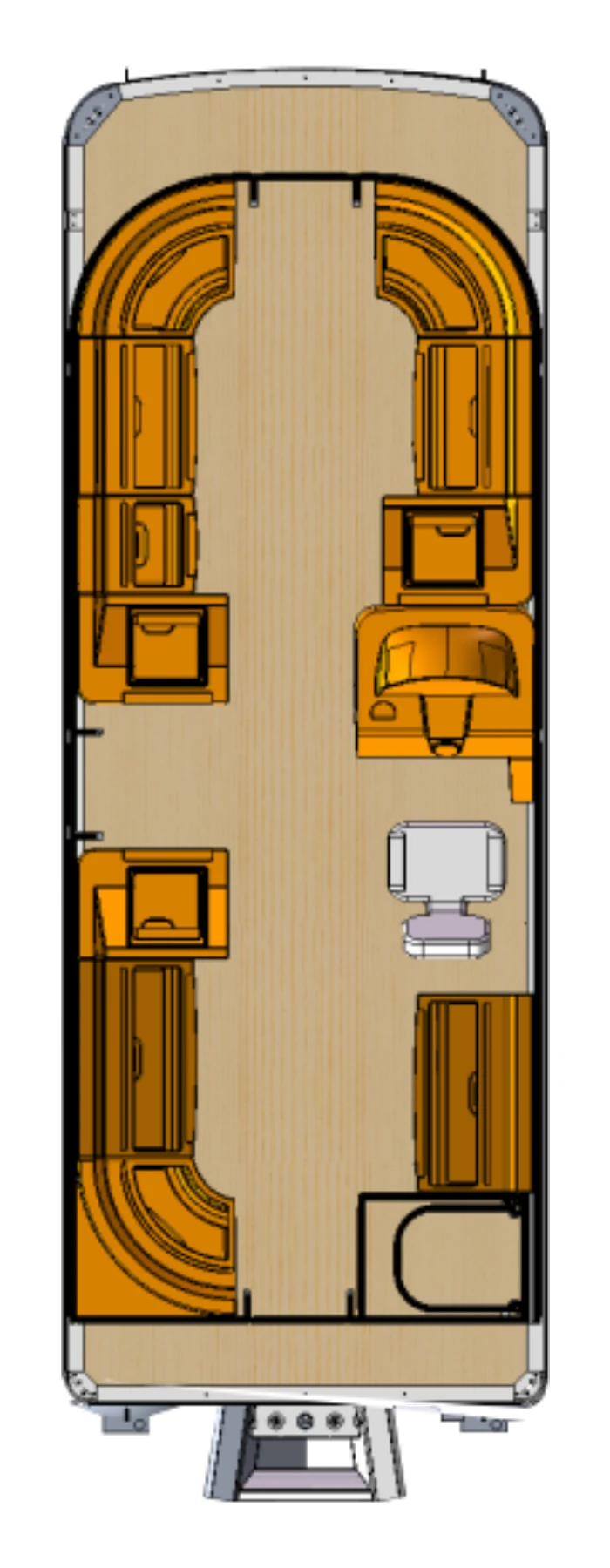
Check the whole boat at the dock and ashore
Model length, deck length and overall length can describe different measurements. Give the seller the usable dimensions of your berth or storage space, including access restrictions. Ask for a drawing showing the complete configuration, then confirm the transport dimensions and weight with any trailer, engine and fitted equipment included. A reference hull length is not a transport plan.
Separate included equipment from preferences
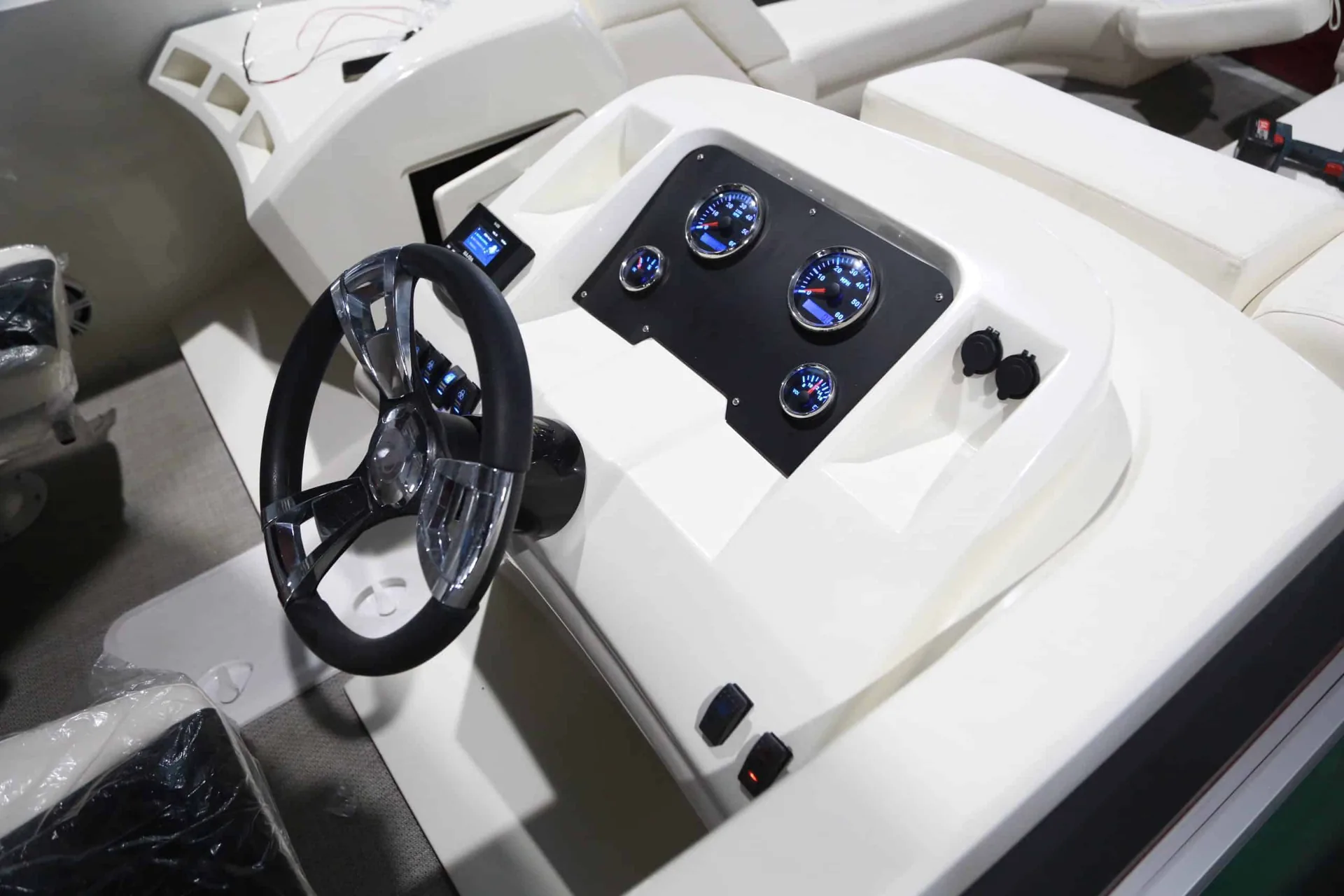
The SEAVIA configurator records your preferences for a quotation. It does not calculate a retail price or approve a finished production package. Ask the quotation to identify the selected engine, controls, steering, batteries, shade, audio and trailer, including which items are supplied and installed. Keep an unresolved item visible instead of assuming it is included.
You can divide the shortlist into essentials, preferences and open questions. Essentials may include a storage constraint or a particular access need. Preferences may include a finish or seating choice. Open questions include compatibility and final ratings. This distinction helps the seller respond with an alternative when one requested feature does not fit the proposed package.
- Identify the tube arrangement in the final drawing.
- Confirm the rated capacity and loading instructions for the actual boat.
- Review engine, steering and equipment compatibility together.
- Name the seller, delivery point and service contact in the written agreement.
Turn your shortlist into a useful inquiry
Send your preferred model, country and region, usual activities, dock restrictions and purchase timeframe. If you are between two sizes, explain the tradeoff: for example, fitting a berth versus keeping a walkway clear with your usual gear aboard. This gives the team a concrete question to answer without treating an inquiry as a reservation.
A useful comparison request could say: we are considering Cove 16 and Cove 22, need to store the boat at a defined location, and want to understand the seating and walking space with our usual gear aboard. Add the destination and ask for the relevant drawings. That gives the discussion a concrete outcome without assuming capacity, price or availability.
SEAVIA editorial · Updated