
Pontoon vs. tritoon
Pontoon vs. tritoon: what changes?
A tritoon is a pontoon design with a third tube beneath the deck. The extra tube changes the hull package, but it does not by itself tell you a particular boat’s passenger limit, approved power or operating conditions. Use the general differences to frame your shortlist, then compare the documented configuration.
Two tubes and three tubes compared
The industry guide from Discover Boating, published by the National Marine Manufacturers Association, describes these general design tendencies. They are not SEAVIA test results or ratings.
Keep deck comfort and hull design as two related comparisons. Similar-looking lounge arrangements can sit above different hull packages, while similar tube counts can accompany different dimensions and equipment. Use the table to identify questions for the seller, then request the configuration-specific drawings and ratings needed to answer them.
| Consideration | Two-tube pontoon | Three-tube tritoon |
|---|---|---|
| Arrangement | Two supporting tubes beneath the deck | Adds a center tube; size and position depend on the design |
| Typical emphasis | Leisure cruising at lower speeds | Often designed for higher power and more responsive handling |
| Turning | Can lean outward as speed rises | A suitable center-tube design can stay flatter or lean into a turn |
| Capacity and equipment | Use the specific boat’s rated limits | The extra buoyancy can support higher capacity in a designed package |
| Cost | Compare a complete engine and equipment package | An added tube and larger engine can increase purchase cost |
Match the comparison to your use
Make two lists: what you do on a normal outing, and what you only occasionally hope to do. Then ask which documented configuration meets that use. A sunset cruise, a fishing stop and towing sports create different questions for the seller. Request the approved use, propulsion and equipment details for the proposed boat instead of choosing a tube count as a shortcut.
If most outings involve relaxed cruising and stops with family, begin with seating, boarding and the use described in the boat documents. If your plans include an activity that needs a particular capability, make that activity explicit in the inquiry. A hoped-for occasional use should not quietly become an assumption about every boat on the shortlist.

Compare drawings, not just model names
Ask for the tube layout, dimensions and final deck arrangement attached to each quotation. Record the engine and steering package, fuel capacity, passenger and load ratings, and complete transport dimensions. Put the figures side by side using the same measurement basis. If either drawing or rating is missing, that part of the comparison remains open.
The quotation should let you connect each rating to a defined package. When the tube arrangement, engine or equipment changes, ask whether the drawings and operating information still apply. Comparing a tested result for one package with an unconfirmed proposal for another leaves a gap that the model name alone cannot close.
- Does the quotation identify the exact tube arrangement?
- Do the capacity and engine documents apply to that configuration?
- Are the compared boats carrying equivalent equipment?
- Can the configured package be stored and transported at your destination?
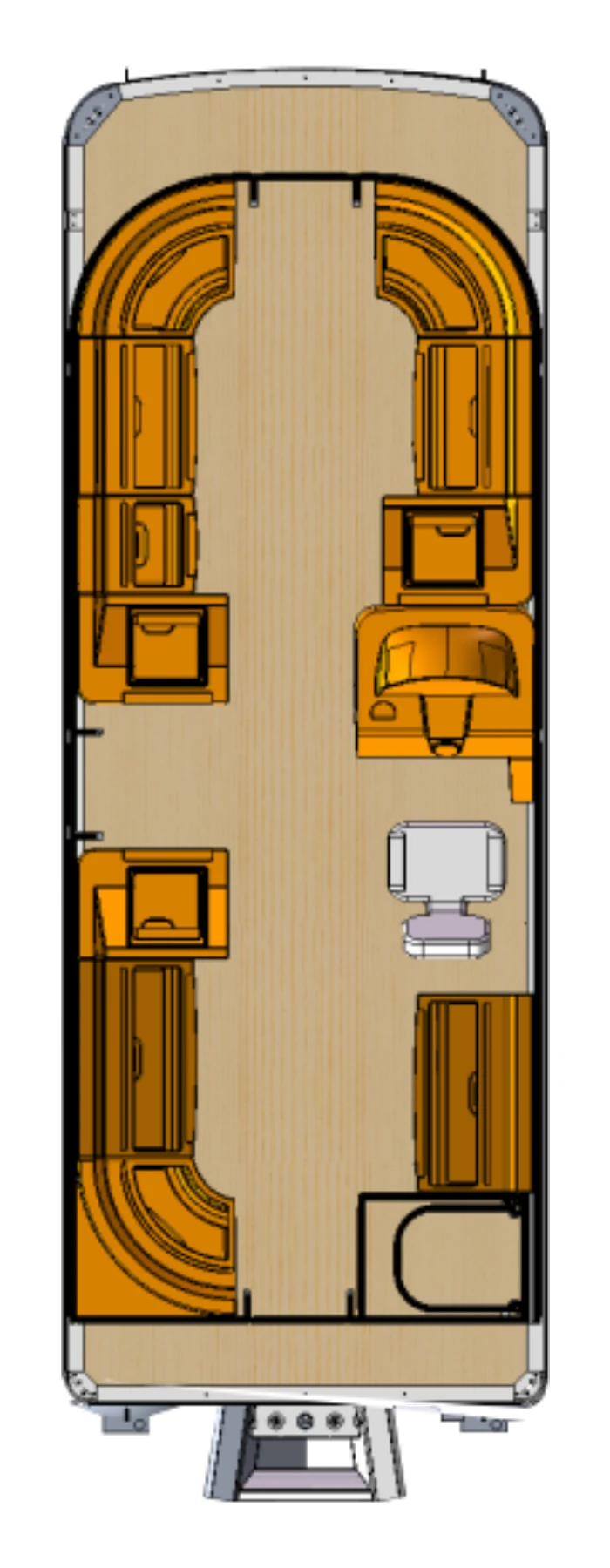
What is confirmed for the SEAVIA Cove range?
The current Cove model pages provide reference lengths, layouts and selected equipment preferences. They do not establish a verified two-tube versus three-tube performance comparison or confirm that every Cove model can be supplied in both arrangements. Include a requested tube arrangement in your inquiry so the team can check drawings, compatibility and supply for your destination.
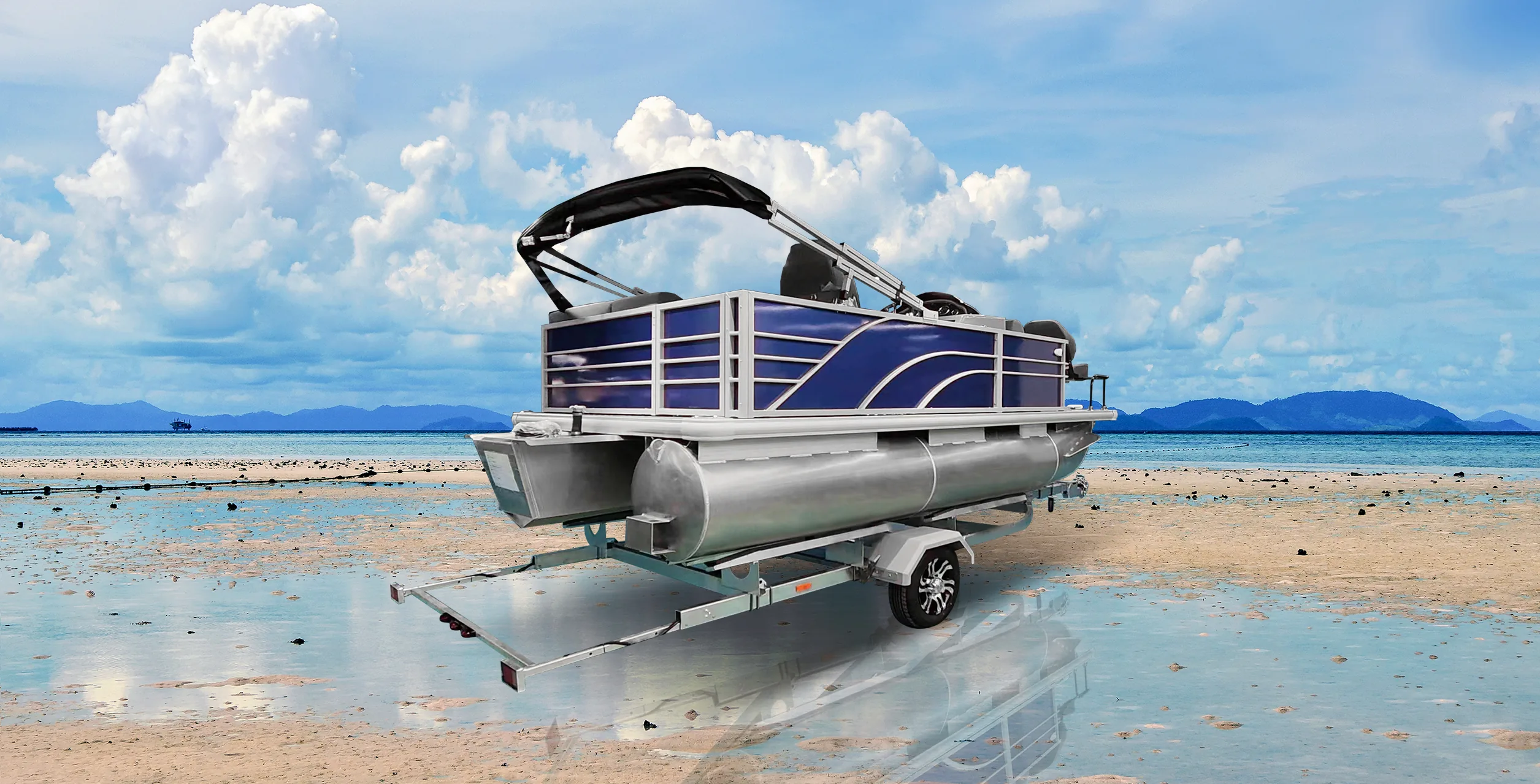
Keep performance claims tied to the tested boat
If a seller provides speed, handling or fuel-use results, ask which model, engine, propeller, load and conditions produced them. Keep those details with the result. A number from another length or package is not evidence for the boat you are ordering, and a tube count does not establish offshore suitability or local compliance.
Before treating a higher purchase price as better value, identify what extra capability or equipment it buys in the actual proposal. Then decide whether your planned use needs it and what it changes in storage, transport and ownership costs. Use a complete-package budget alongside the hull comparison rather than comparing tube counts and headline prices in isolation.
SEAVIA editorial · Updated